Choosing the Best Sustainable Building Materials for Your Home
7 December 2025
Building a home is exciting, but have you ever thought about the impact your materials have on the environment? Choosing sustainable building materials isn't just a trend—it's a smart move for both the planet and your wallet. With rising energy costs and growing environmental concerns, making eco-friendly choices can save you money and help reduce your carbon footprint.
But with so many options available, how do you pick the best materials for your home? Let’s break it down and explore the top sustainable building materials that offer durability, energy efficiency, and cost-effectiveness. 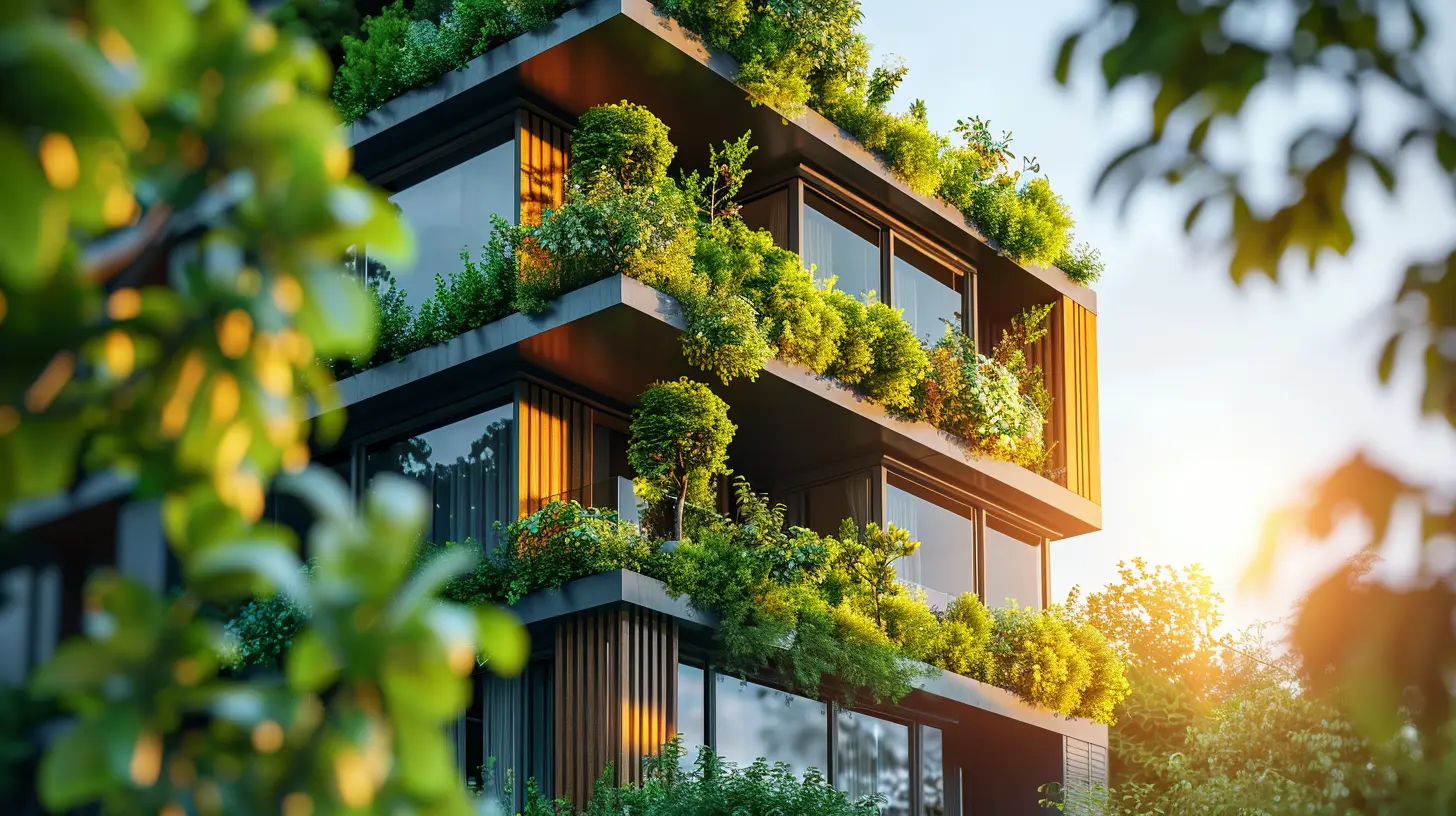
What Makes a Building Material Sustainable?
Before jumping into specific materials, it’s essential to understand what makes a material sustainable. Here are a few key factors to consider:- Renewability – Does the material come from a renewable source, like bamboo or reclaimed wood?
- Energy Efficiency – Does it help reduce energy consumption, such as insulating materials?
- Low Environmental Impact – Is it produced with minimal pollution and waste?
- Durability – Does it last longer, reducing the need for frequent replacements?
- Recyclability – Can it be reused or repurposed at the end of its life cycle?
By keeping these factors in mind, you can make informed choices that benefit both you and the environment. 
Top Sustainable Building Materials for Your Home
Now, let’s look at some of the best sustainable materials for your home construction or renovation project.1. Bamboo: The Fast-Growing Wonder
Bamboo is one of the most eco-friendly materials out there. Why? It grows incredibly fast—some species can grow up to three feet per day! Unlike hardwood trees that take decades to mature, bamboo replenishes itself within a few years.Why Choose Bamboo?
✅ Highly renewable and fast-growing✅ Stronger than many traditional woods
✅ Naturally resistant to pests and moisture
✅ Can be used for flooring, walls, and even structural elements
Just make sure to source bamboo from sustainable farms to ensure ethical and eco-friendly harvesting.
2. Reclaimed Wood: Beauty with a History
Instead of cutting down new trees, why not use wood that has already been harvested? Reclaimed wood comes from old barns, factories, and even demolished buildings, giving it a unique character and charm.Why Choose Reclaimed Wood?
✅ Reduces deforestation✅ Adds rustic and aesthetic appeal
✅ Extremely durable when properly treated
✅ Can be used for flooring, beams, and furniture
However, be mindful of potential issues like pests or chemical treatments in older wood. It’s best to source reclaimed wood from reputable dealers who properly treat and inspect it.
3. Cork: A Renewable and Versatile Choice
Cork is harvested from the bark of cork oak trees, meaning the tree itself isn’t cut down. The bark naturally regenerates, making cork a highly sustainable option.Why Choose Cork?
✅ Harvested without harming trees✅ Naturally fire-resistant and hypoallergenic
✅ Excellent sound and thermal insulation
✅ Great for flooring, wall panels, and ceiling tiles
Cork is lightweight and easy to install, making it a great choice for home upgrades with minimal environmental impact.
4. Recycled Metal: Strong and Sustainable
Steel and aluminum are essential for modern construction, but mining and processing them can be resource-intensive. Thankfully, recycled metal offers a sustainable alternative.Why Choose Recycled Metal?
✅ Reduces the need for new mining✅ Incredibly durable and long-lasting
✅ Resistant to fire, pests, and moisture
✅ Can be used for roofing, framing, and decorative features
Many metal structures can be made from nearly 100% recycled content, reducing waste and conserving resources.
5. Hempcrete: The Eco-Friendly Concrete Alternative
Concrete is one of the most widely used building materials, but its production generates massive carbon emissions. Enter hempcrete—a lightweight, eco-friendly alternative made from hemp fibers, lime, and water.Why Choose Hempcrete?
✅ Carbon-negative (absorbs CO₂ over time)✅ Excellent insulation properties
✅ Resistant to mold, pests, and fire
✅ Ideal for walls and insulation
Hempcrete isn't as strong as traditional concrete but works well as an insulating material or wall filler.
6. Recycled Plastic: From Waste to Walls
Plastic waste is a significant environmental issue, but innovative builders are finding ways to repurpose it into construction materials. Recycled plastic can be used for everything from insulation to structural components.Why Choose Recycled Plastic?
✅ Reduces landfill waste✅ Lightweight and durable
✅ Resistant to moisture, mold, and pests
✅ Used for insulation, bricks, and roofing tiles
By incorporating recycled plastic into your home design, you’re actively reducing pollution and giving waste materials a second life.
7. Rammed Earth: A Timeless, Earthy Choice
Rammed earth construction has been used for thousands of years, and for good reason! It involves compressing natural raw materials like clay, sand, and gravel into solid, insulated walls.Why Choose Rammed Earth?
✅ Made from abundant, local materials✅ Excellent thermal mass (keeps homes cool in summer and warm in winter)
✅ Non-toxic and naturally fire-resistant
✅ Extremely durable (some rammed earth buildings last centuries!)
Although labor-intensive, rammed earth construction provides an environmentally friendly and energy-efficient building solution. 
Additional Tips for Choosing the Best Sustainable Materials
Now that you know some of the best options, here are a few pointers to help you make the right choice:- Prioritize Local Materials – The closer the source, the lower the transportation emissions.
- Check Certifications – Look for certifications like FSC (Forest Stewardship Council) for wood or Cradle to Cradle for sustainable products.
- Consider Life Cycle Costs – Some materials may have a higher upfront cost but save you money in the long run.
- Mix and Match – You don’t have to stick to just one material—combine them for the best results! 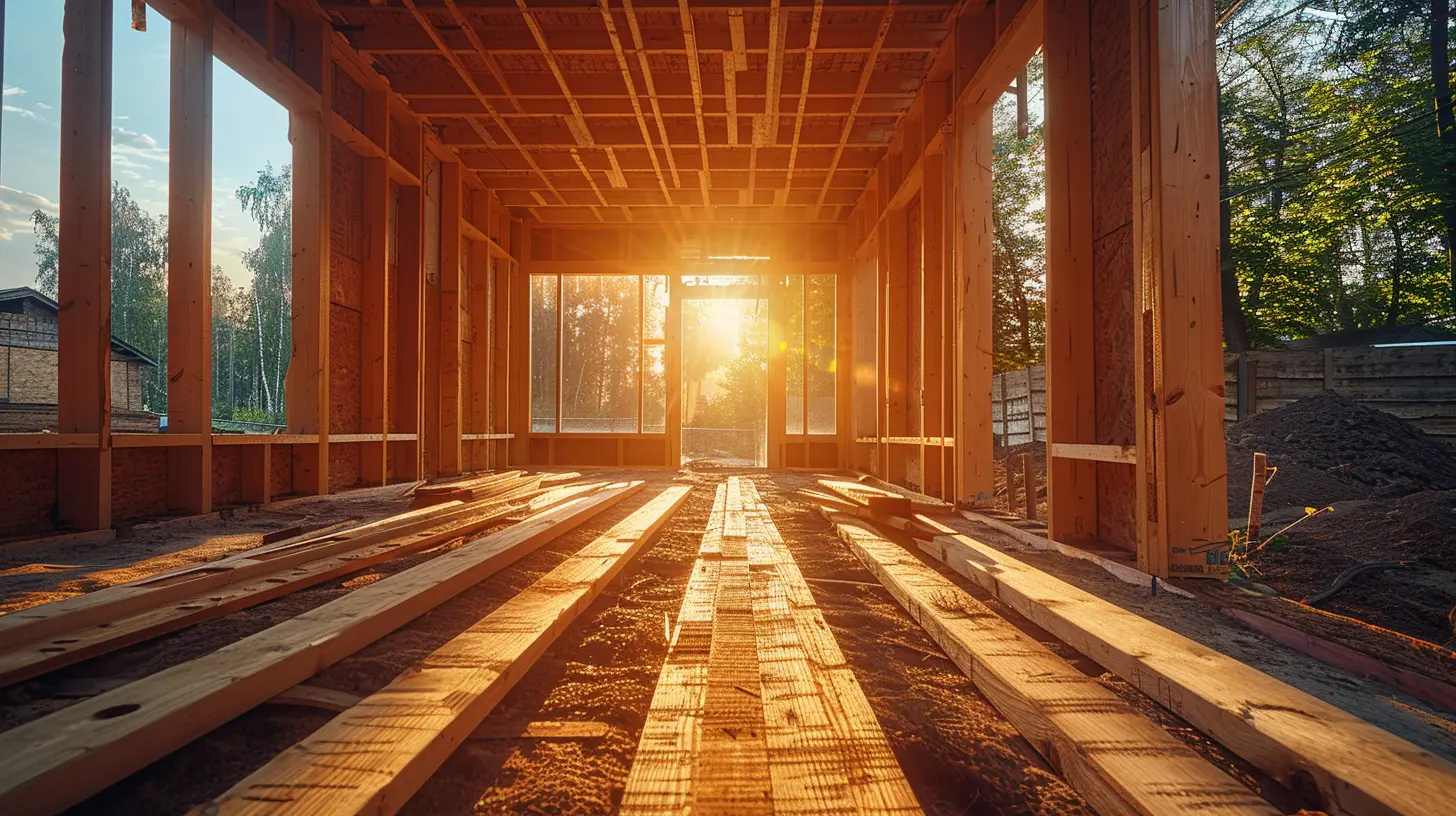
Final Thoughts
Building a sustainable home isn’t just about saving the environment—it’s about creating a healthier, more efficient, and cost-effective living space for you and your family. By choosing eco-friendly materials like bamboo, reclaimed wood, and hempcrete, you can reduce your carbon footprint while building a durable and stylish home.So, next time you plan a construction or renovation project, think green! Your choices today can lead to a better tomorrow.
all images in this post were generated using AI tools
Category:
Building MaterialsAuthor:

Travis Lozano
Discussion
rate this article
2 comments
Indie McAllister
Choosing sustainable building materials is essential for an eco-friendly home. Opt for reclaimed wood, bamboo, recycled metal, and low-VOC paints. These materials reduce environmental impact, enhance energy efficiency, and contribute to healthier living spaces. Sustainability matters!
December 17, 2025 at 5:31 AM
Travis Lozano
Thank you for your insights! Choosing sustainable materials like reclaimed wood and bamboo truly is vital for creating eco-friendly homes. Every effort counts in promoting sustainability!
Fennec Young
What an intriguing topic! I'm curious—how do different sustainable materials compare in terms of durability and cost-effectiveness? I’d love to learn more about their long-term impacts on both homes and the environment!
December 7, 2025 at 3:24 AM
Travis Lozano
Thank you for your interest! Generally, bamboo and reclaimed wood are durable and cost-effective, while materials like cork and recycled steel offer excellent longevity but can vary in price. Their long-term environmental impacts also depend on sourcing and life-cycle analysis. Happy to share more details!