Choosing Between Rent Increases and Tenant Stability: Strategic Thinking for Landlords
19 July 2026
One of the biggest dilemmas landlords face is deciding between increasing rent or maintaining tenant stability. On one hand, raising rent brings in more revenue, helping cover rising costs and increasing profits. On the other hand, keeping reliable tenants ensures steady income without the risk of vacancies and turnover expenses.
So, how do landlords strike the right balance? Let's break it down.

The Importance of Rental Income
Your rental property is an investment, and just like any investment, it needs to generate a return. Over time, maintenance costs rise, property taxes increase, and inflation chips away at your profit margins. If you don’t adjust your rent accordingly, you might not be maximizing your property's value.But blindly hiking up rent can backfire. Tenants have options, and if they feel they’re being priced out, they’ll start looking elsewhere. Finding the sweet spot between a competitive rent price and tenant satisfaction is the key to long-term success.
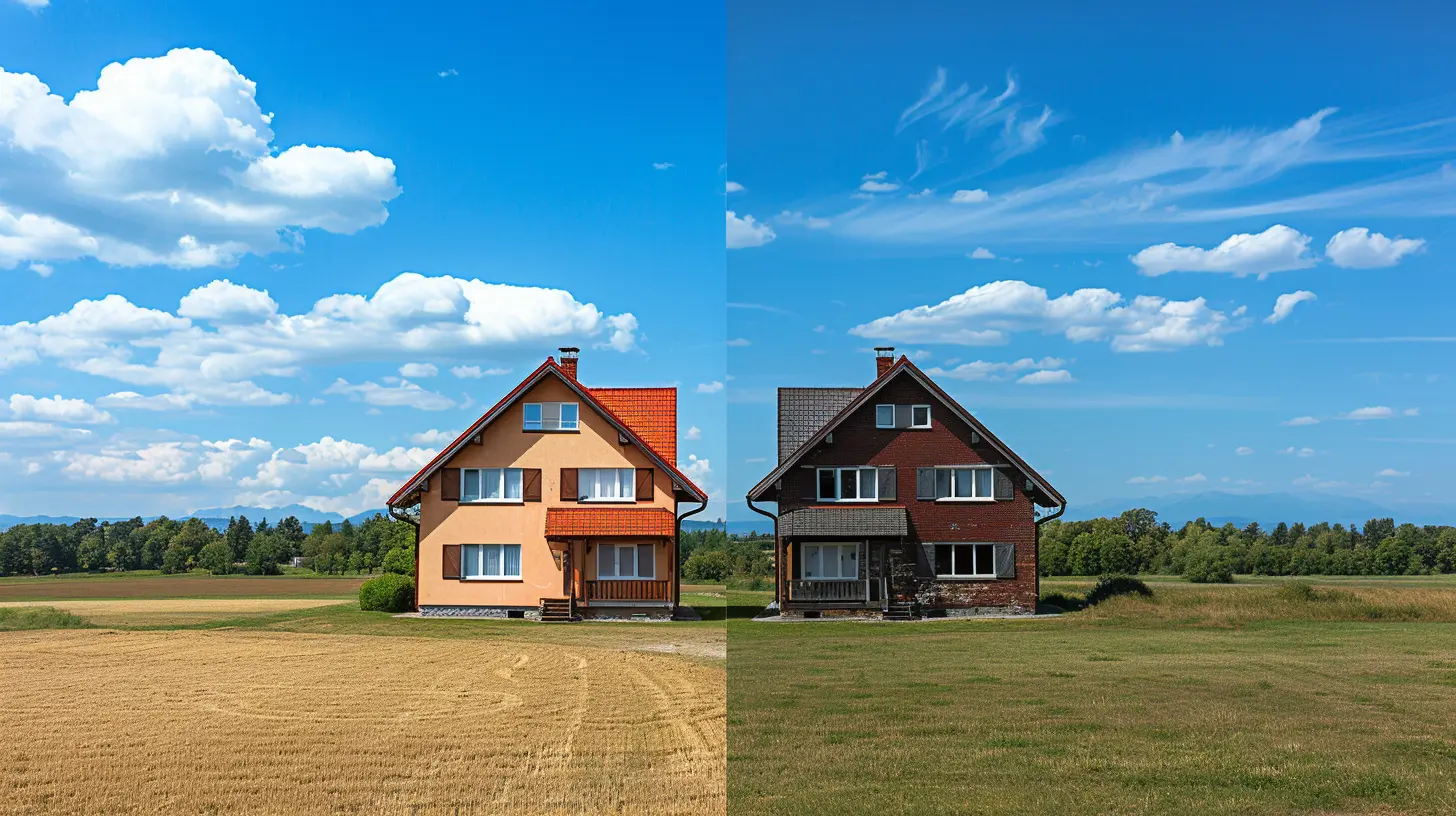
The Case for Raising Rent
Rent increases are not just about making more money—they’re often necessary to keep up with market rates and operating costs. Here are a few reasons landlords consider rent hikes:1. Keeping Up With Market Rates
The rental market fluctuates based on supply and demand. If rental prices in your area are increasing, keeping your rent below market value could mean missing out on potential revenue.2. Covering Inflation and Rising Costs
Everything from property taxes to insurance premiums tends to go up over time. If you keep your rent stagnant, your profit margins shrink. A reasonable rent increase ensures your income keeps pace with expenses.3. Improving Your Property
Upgrades and renovations cost money. Whether you're adding new appliances, upgrading flooring, or enhancing security features, rent increases help cover these improvements, making your property more attractive and competitive.4. Maximizing Your Investment
At the end of the day, your rental property is a business. If you’re leaving money on the table by undercharging, you're not optimizing your investment’s potential. Strategic rent increases can help ensure profitability without pushing tenants away.
The Case for Tenant Stability
While raising rent can boost revenue, keeping a reliable tenant often outweighs the benefits of a marginal increase. Here’s why stability matters:1. Avoiding Vacancies
A vacant property generates zero income, and finding new tenants takes time. Every month your unit sits empty is lost revenue. Even a small rent hike could push tenants to find a cheaper place, leaving you scrambling to fill the gap.2. Reducing Turnover Costs
Tenant turnover comes with expenses—advertising, screening, and preparing the unit for a new occupant. Plus, the time it takes to find a qualified tenant means you’re missing out on rent. Sticking with loyal tenants minimizes these costs.3. Maintaining a Good Landlord-Tenant Relationship
Long-term tenants who pay on time and take care of the property are valuable. Building a positive relationship with your tenants leads to fewer disputes, timely rent payments, and a better overall rental experience. Constantly increasing rent can create tension and dissatisfaction.4. Avoiding Legal Headaches
In some areas, rent control laws limit how much and how often you can increase rent. Large, sudden increases could lead to disputes or even legal action. By maintaining a fair rent rate, you reduce the risk of conflict.
Striking the Right Balance
As a landlord, you need to make smart choices that align with both your financial goals and tenant satisfaction. Here are some strategies to help strike a balance between rent increases and tenant retention:1. Implement Gradual Increases
Instead of hitting tenants with a large rent hike once in a while, consider small, predictable increases each year. A 3-5% annual increase is usually manageable for tenants while keeping your rental income aligned with market trends.2. Offer Incentives for Long-Term Tenants
If you want to keep great tenants but still need to raise rent, offer incentives like free parking, minor upgrades, or flexible lease terms. These small perks can make tenants feel valued, reducing the likelihood of them moving out over a modest rent increase.3. Communicate Transparently
Nobody likes surprises, especially when it comes to their living expenses. If you plan to increase rent, explain why. Let tenants know about rising property costs, taxes, or maintenance needs. When tenants understand the reasoning, they’re more likely to accept the increase.4. Compare Local Market Rates
If tenants see that your rent is still competitive compared to other similar properties, they’ll be less inclined to move. Research the rental market regularly to ensure your pricing is fair.5. Offer Lease Renewal Benefits
Instead of raising rent significantly, offer discounts or perks to tenants who renew for longer periods. A longer lease agreement provides stability for both you and the tenant.6. Evaluate Each Tenant’s Value
Not all tenants are the same. A long-term tenant who pays rent on time and takes care of your property might be worth keeping over a short-term tenant willing to pay more but with a history of late payments or complaints.What Should You Do as a Landlord?
The decision to raise rent or prioritize tenant stability depends on your unique situation. Ask yourself:- Are my rental rates competitive in my market?
- Will the increase drive tenants away and lead to costly vacancies?
- Do I have reliable, responsible tenants worth keeping?
- Are my costs increasing, making a rent hike necessary?
- Can I offer incentives to keep tenants happy while still adjusting rent?
A smart landlord knows that profitability isn’t just about the highest rent—it's about consistent cash flow and minimizing losses. By strategically increasing rent while keeping good tenants happy, you create a win-win situation.
Final Thoughts
Being a landlord is a balancing act. While raising rent is sometimes necessary to keep up with costs and improve your property, stability brings its own financial benefits. The key is to adopt a strategic approach—gradual increases, transparent communication, and tenant-friendly incentives.At the end of the day, happy tenants are more likely to stay, pay on time, and take care of your property. And isn’t that the kind of landlord-tenant relationship every property owner wants?
all images in this post were generated using AI tools
Category:
Real Estate StrategiesAuthor:

Travis Lozano
Discussion
rate this article
1 comments
Bear Mitchell
Balancing rent increases with tenant stability is crucial. Ensuring reliable income while maintaining good relationships fosters longer tenancies and reduces turnover costs. A smart strategy pays off.
July 24, 2026 at 10:19 AM
Travis Lozano
Absolutely. Prioritizing tenant stability not only builds trust but also leads to better long-term financial outcomes. It's a win-win for both landlords and tenants.