Buying Foreclosed Homes Directly from Banks: How It Works
16 December 2025
Let’s face it—real estate can be a wild ride. Between bidding wars, inspections, and skyrocketing prices, it's enough to make anyone feel like they're on a real-life episode of a home-buying game show. But what if I told you there's a lesser-known path to homeownership that could score you a fantastic deal? Yep, we're talking about buying foreclosed homes directly from banks. Sounds a bit mysterious, right? It doesn't have to be.
In this guide, we’ll break down exactly how it works, what to watch out for, and how to turn a bank-owned property into your dream castle (or maybe just your first starter home—equally awesome). So, grab your favorite beverage and settle in; you're about to become a foreclosure-savvy home buyer.
🏡 What Exactly Is a Foreclosed Home?
Alright, let’s start with the basics. A foreclosed home is a property that was taken back by the bank or lender after the previous owner failed to keep up with mortgage payments. It’s kind of like a repo but for houses.When a bank repossesses a house, they usually aren't in the business of being landlords. So, they want to sell it—fast. These homes are known as REO (Real Estate Owned) properties, and they can offer some serious savings if you know what you’re doing.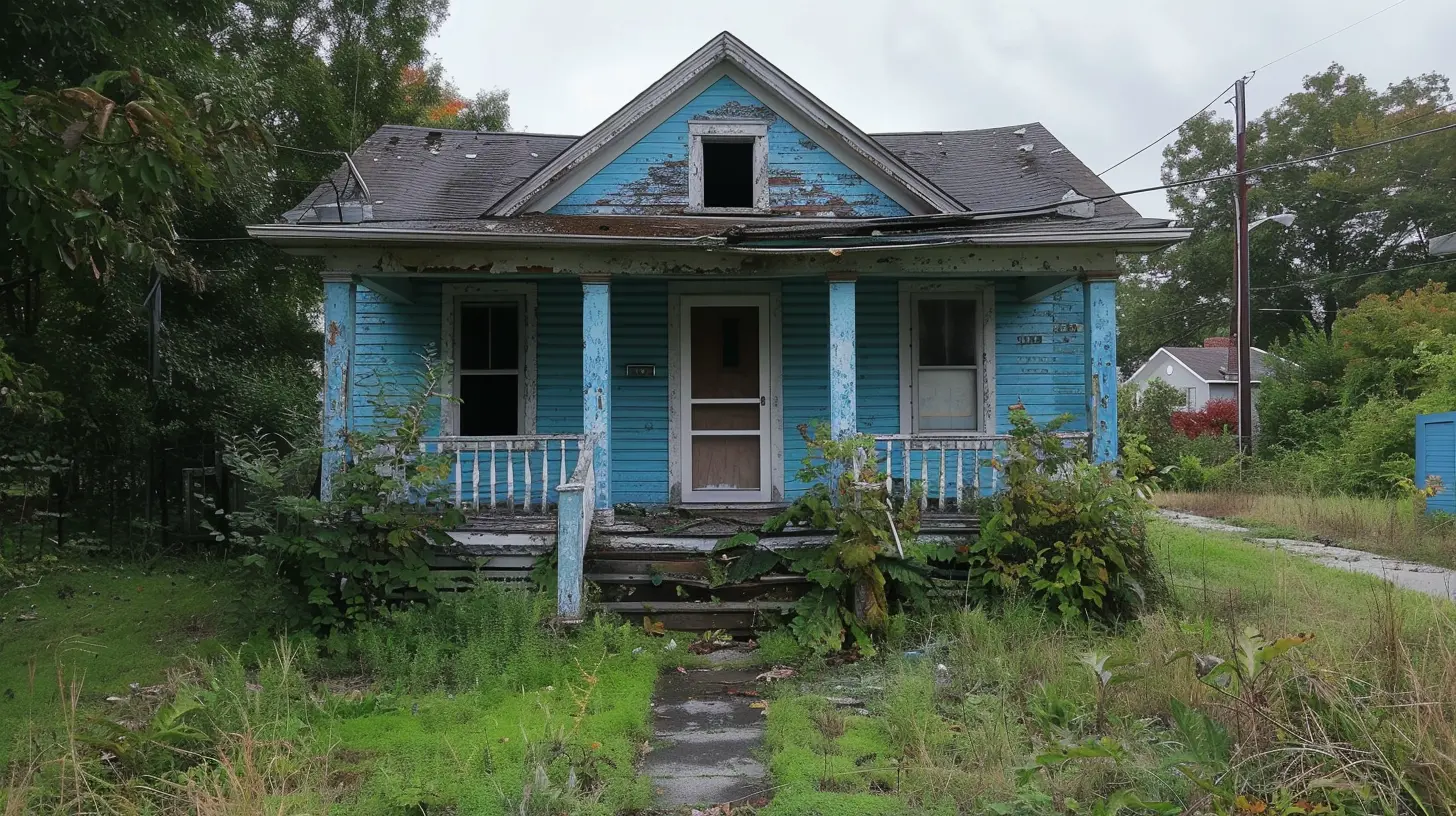
💰 Why Would You Want to Buy a Foreclosed Home?
There’s one pretty obvious reason: the price.Foreclosed homes are often listed below market value. Banks want to unload these properties quickly, so you might find yourself with a diamond in the rough—at a fraction of the cost of a traditional home. Who doesn’t like the idea of getting more house for less cash?
But wait, there’s more (in our best infomercial voice)! You might also benefit from:
- Less competition (compared to traditional listings)
- Faster closings in some cases
- Negotiable terms if the bank is motivated to sell
That said, foreclosures aren’t for the faint of heart. They can be fixer-uppers, and that shiny low price tag might come with a few strings. But fear not—we're about to walk you through how it all works.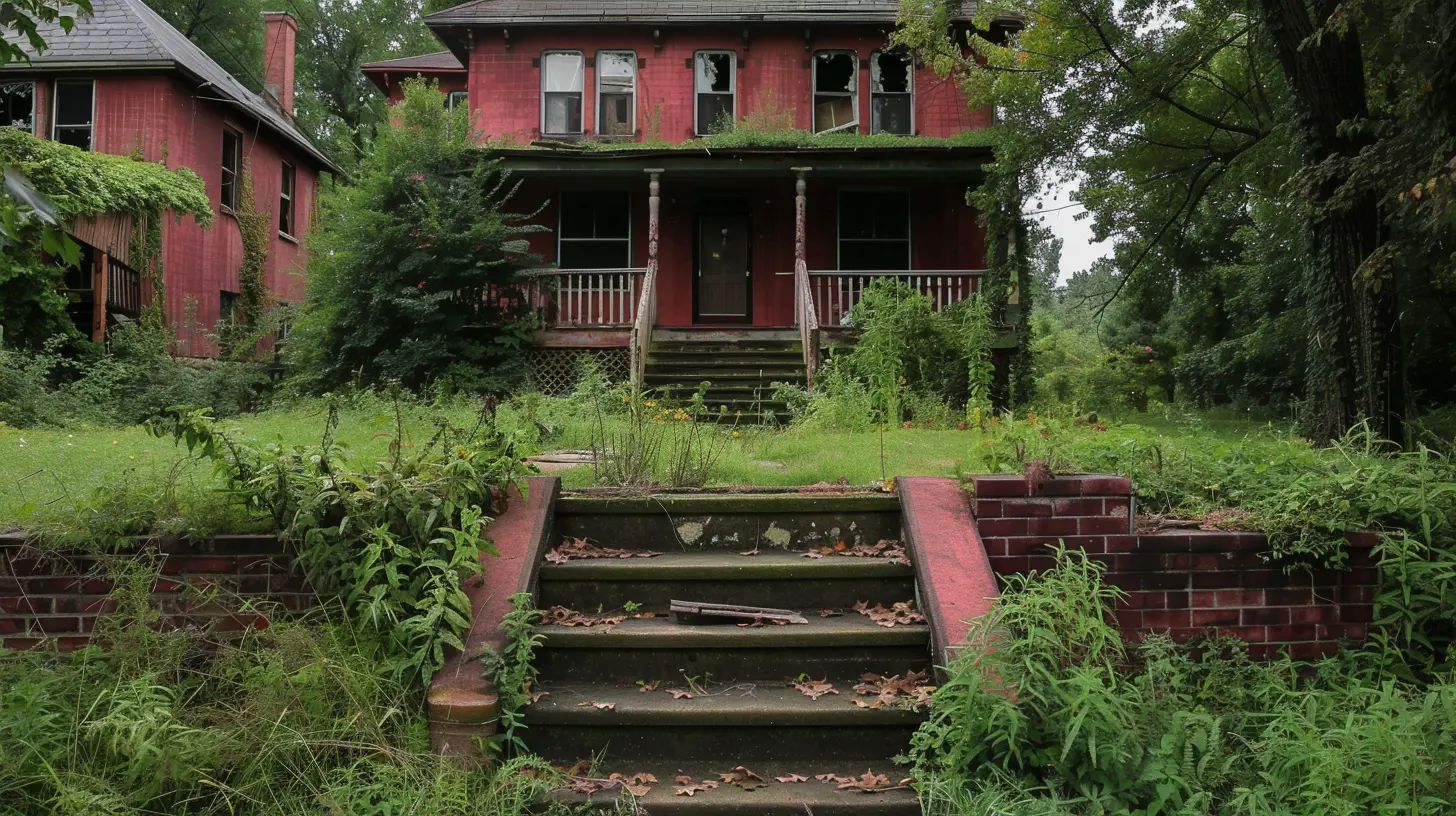
🧐 How Do You Find Bank-Owned Foreclosures?
You won’t always spot these on your average Zillow stroll. Banks don’t always blast their foreclosure listings all over the Internet like traditional sellers. But here’s where you can look:1. Bank and Lender Websites
Many banks have REO departments with dedicated web pages listing their foreclosed properties. Think Wells Fargo, Bank of America, or smaller regional banks.2. HUD and Government Websites
Federal agencies like HUD (the U.S. Department of Housing and Urban Development) list foreclosed homes from government-backed loans. Visit hudhomestore.gov for those.3. Real Estate Agents
Some agents specialize in foreclosures and bank-owned homes. Working with an experienced agent can seriously smooth out the process.4. REO Listing Sites
Websites like foreclosure.com, auction.com, and realtytrac.com offer searchable databases of bank-owned properties.Keep in mind, it pays to start a relationship with a local real estate agent who has connections to banks. Why? Because these agents often get early notice of upcoming listings.
🔑 The Bank Foreclosure Buying Process in a Nutshell
Okay, you’ve found that perfect beat-up-but-has-potential place. Now what? Here's how buying a foreclosed home from a bank typically works:Step 1: Get Preapproved for a Mortgage
Unless you’re rolling in cash (lucky you), you’ll need financing. Get preapproved before house hunting. Banks want to see that you’re serious and capable of buying.Step 2: Find the Property
Use the sources we just mentioned. Once you’ve got a few homes in mind, drive by if you can. Check out the neighborhood. Are people mowing lawns and walking dogs, or is it all boarded-up windows?Step 3: Make an Offer
When you're ready, your real estate agent submits an offer to the bank. Here’s the kicker: banks typically don’t negotiate emotionally. No sweet letters about how you love the crown molding. It’s strictly business.Pro tip: Offer a clean deal. Skip extra contingencies if you can. Banks love that.
Step 4: Wait... and Wait (a Little)
Banks don’t move fast. They review offers at their own pace, and it could be a few days to a couple of weeks before they respond. So don’t sweat it—you’re not ghosted, just stuck in paperwork limbo.Step 5: Get a Home Inspection
Always, always, always get a certified home inspector in. These homes are often sold “as-is,” which means the bank isn’t fixing anything. You need to know what you’re getting into.Step 6: Close the Deal
Once your offer is accepted and financing is ready, you’ll move to closing—similar to any other home purchase. Congrats! You’re a homeowner (or soon will be).😬 The “Watch Outs”: Risks of Buying a Bank-Owned Home
Listen—we’re not gonna sugarcoat it. As exciting as a bargain price might be, there are a few caveats. Here are the curveballs you might face:1. Property Condition
These homes might have been vacant for months (or years). Think broken toilets, missing appliances, or mysterious stains you don’t want to identify.2. No Disclosures
Banks don’t fill out seller disclosure forms. What you see is what you get. Another reason inspections are your BFF.3. Title Woes
Sometimes, REO homes come with liens or other title issues. Always get a title search before closing. A reputable title company can sniff out hidden problems.4. Competition From Investors
Depending on your market, you might be up against cash buyers or seasoned investors. That means you’ve got to be quick and well-prepared.🛠️ Renovating a Foreclosure: Sweat Equity Pays Off
Don’t be afraid of a little fixer-upper action. Putting in some work can significantly boost your home’s value. Just have a game plan—and maybe a DIY YouTube playlist.Small improvements like fresh paint and new hardware can go a long way. Bigger projects like plumbing or roof repairs? You might want to leave that to the pros unless you moonlight as a contractor.
And yes, there are loan options like the FHA 203(k) loan that help you finance repairs into your mortgage. Now that’s smart money.
✨ Success Tips for First-Time Foreclosure Buyers
Let’s wrap this up with some rapid-fire tips to make your journey smooth sailing:- Work with a foreclosure-savvy real estate agent (seriously, they’re worth their weight in gold).
- Get financing in order early—you want to come in strong.
- Always do a thorough inspection—your wallet will thank you.
- Understand what “as-is” really means—no touch-ups, no repairs, no freebies.
- Don’t skip the title search—avoid buying into someone else’s legal mess.
- Have a renovation budget—because surprises are almost guaranteed.
🎉 Final Thoughts: Foreclosures Aren’t Scary—They’re an Opportunity
Let’s be real. Buying a foreclosure directly from a bank may not be as glamorous as a glossy open house with mimosas and a charcuterie board, but it’s a powerful way to stretch your budget and build sweat equity.If you're willing to dig a little deeper, wait a little longer, and maybe roll up your sleeves, a bank-owned home could be the hidden gem you’ve been searching for. And who knows? That “meh” fixer-upper could be the investment that makes your future self do a happy dance.
So go on—start your search, get curious, and keep an open (and optimistic) mind. You got this!
all images in this post were generated using AI tools
Category:
ForeclosuresAuthor:

Travis Lozano
Discussion
rate this article
2 comments
Selah Hines
Purchasing foreclosed homes directly from banks can be a strategic investment, but it requires careful consideration. Buyers should conduct thorough due diligence, understanding both the property's condition and the financial implications. With the right approach, this path can lead to rewarding opportunities in real estate.
December 22, 2025 at 11:39 AM
Travis Lozano
Absolutely! Conducting thorough due diligence is essential when purchasing foreclosed homes from banks, as it can uncover both opportunities and potential pitfalls. With careful consideration, investors can indeed find significant rewards in this market.
Quinn Turner
In shadows of dreams, foreclosures await, Banks hold the keys to paths less straight. Unlock your future, embrace your fate.
December 17, 2025 at 5:31 AM
Travis Lozano
Thank you for your poetic comment! It beautifully captures the essence of navigating the complexities of buying foreclosed homes. Embracing the process can indeed unlock new opportunities!