Avoiding Legal Issues When Buying Foreclosed Properties
19 May 2026
Buying a foreclosed property can be a fantastic way to snag a great deal on real estate. However, it’s not always smooth sailing, and there are plenty of legal pitfalls that could turn your dream home into a nightmare. If you’re planning to invest in a foreclosed property, you need to know what to expect and how to protect yourself from legal trouble.
In this guide, we’ll walk you through the essential steps to ensure your purchase is hassle-free and legally sound.

Understanding Foreclosure and Its Risks
Foreclosure happens when a homeowner defaults on their mortgage, and the lender seizes the property to recover their losses. While this presents an opportunity for buyers to get properties below market value, the process isn’t always straightforward.Some of the common risks involved in buying foreclosed homes include:
- Title issues – Outstanding liens or ownership disputes can create headaches.
- Property condition – Many foreclosed properties are sold “as-is,” meaning repairs could be costly.
- Legal complications – Eviction laws, redemption rights, and fraudulent sellers can cause problems.
By understanding these risks, you can take the right precautions to avoid costly legal mistakes. 
1. Research Property Titles Thoroughly
One of the biggest legal issues buyers face with foreclosed homes is a “clouded” title. This means there could be unknown liens, unresolved claims, or disputes over ownership. If you don’t check the title thoroughly, you could end up paying for someone else’s debt.How to Protect Yourself:
- Get a Title Search – Hire a professional to investigate the property's title history.- Purchase Title Insurance – This safeguards you against undiscovered claims or liens.
- Verify Property Ownership – Ensure you’re dealing with the correct legal owner before making any payments.
A little due diligence can save you from a financial and legal mess later. 
2. Understand Redemption Rights
Some states allow the original homeowner a redemption period, meaning they have the right to reclaim the property even after foreclosure. You don’t want to invest in a home only to have it taken back from you.How to Protect Yourself:
- Check State Laws – Redemption periods vary depending on where the property is located.- Wait for the Redemption Period to Expire – In some cases, it’s safer to wait before making major investments in the property.
- Have a Legal Professional Review the Case – A real estate attorney can help clarify any risks related to redemption rights.
Being patient and informed can prevent legal battles down the road. 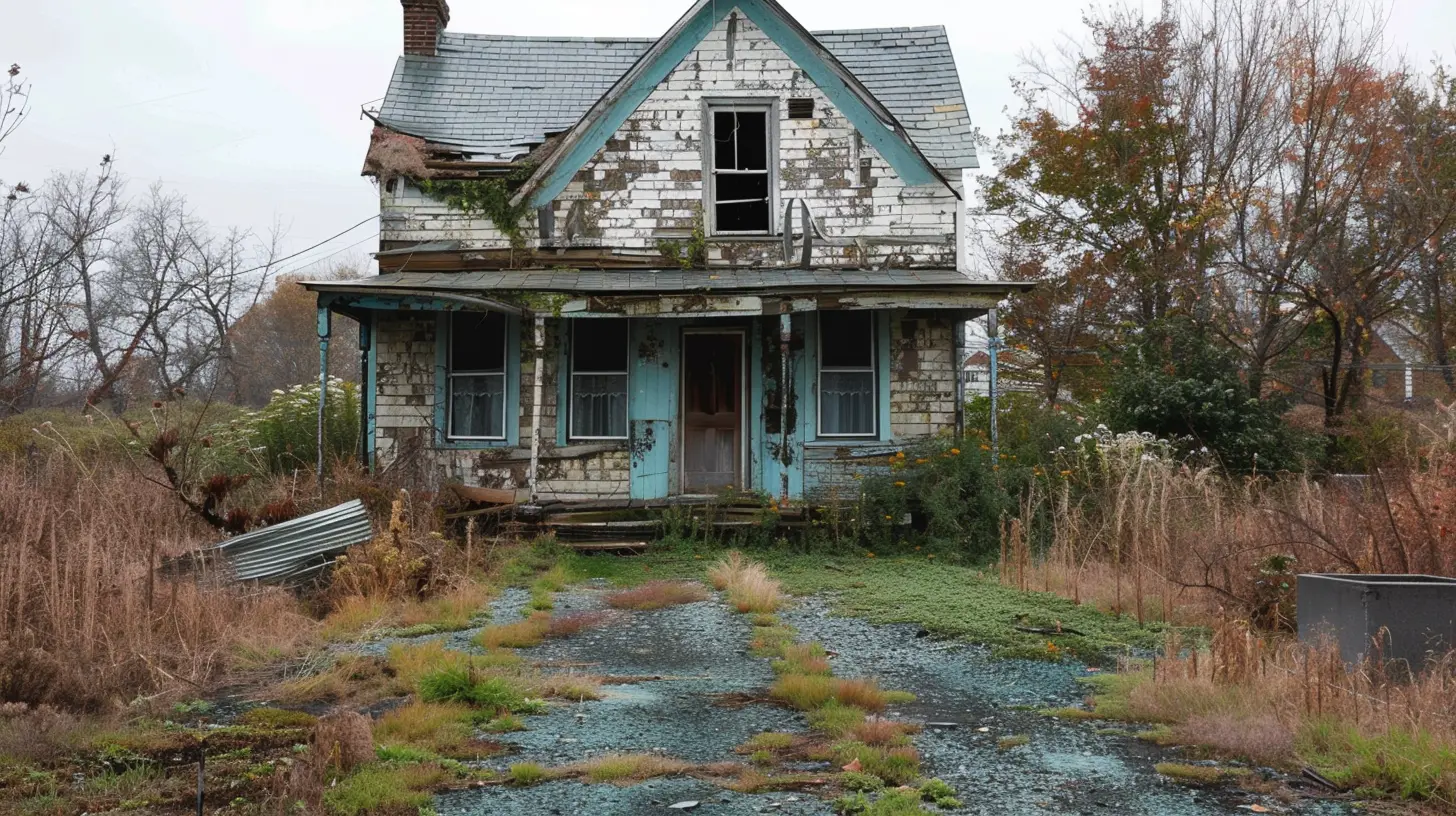
3. Inspect the Property Before Buying
Many foreclosed homes have been vacant for long periods, leading to issues like mold, plumbing damage, or even vandalism. And because these properties are usually sold as-is, you’ll be responsible for any repairs needed.How to Protect Yourself:
- Hire a Professional Inspector – Get a full report on the home's condition.- Estimate Renovation Costs – Factor in repair expenses before making your offer.
- Look for Potential Code Violations – Some properties might not meet local building regulations, which could lead to legal problems.
A thorough inspection will help you determine whether you're getting a hidden gem or a money pit.
4. Be Aware of Tenant and Occupant Rights
A foreclosed property may still have occupants, whether they’re the former owner, tenants, or squatters. Evicting someone isn’t as simple as just asking them to leave—you have to follow a legal process.How to Protect Yourself:
- Check Tenant Laws in Your Area – Some states have strong renter protections that could delay eviction.- Negotiate a Cash-for-Keys Agreement – Offering money to vacate voluntarily can make the process smoother.
- Follow Proper Legal Channels – If eviction is necessary, do it legally to avoid lawsuits.
Dealing with occupants properly can prevent major legal headaches.
5. Beware of Fraud and Scams
Unfortunately, foreclosures attract scammers who take advantage of eager buyers. Some fraudsters may try to sell properties they don’t actually own or hide legal problems with fake documents.How to Protect Yourself:
- Verify the Seller’s Legitimacy – Work with reputable agents, banks, or government auction sites.- Check Public Records – Confirm that the property is legally in foreclosure.
- Avoid Unregistered Agents or Private Sellers Who Seem Suspicious – If something feels off, it probably is.
A little skepticism can go a long way in protecting your investment.
6. Understand the Auction Process
Many foreclosed homes are sold at auctions, which can be fast-paced and competitive. If you don’t know how auctions work, you could end up overpaying or missing hidden costs.How to Protect Yourself:
- Set a Budget Before Bidding – It’s easy to get caught up in the excitement and spend more than planned.- Read the Fine Print – Some auctions require immediate full payment or charge additional fees.
- Have Financing Ready – Many auctions don’t allow traditional mortgage financing, so you may need cash or pre-approved loans.
Knowing the rules before you bid can prevent costly surprises.
7. Work with a Real Estate Attorney
Foreclosure laws can be complex, and a single mistake could cost you thousands. A real estate attorney can help you navigate the legal maze and ensure your purchase is legitimate and secure.Benefits of Hiring an Attorney:
- They Can Review Contracts – Ensure there are no hidden clauses that could harm you.- They Can Handle Title Issues – If problems arise, they’ll know how to fix them.
- They Can Guide You Through the Process – From bidding at auction to closing the deal, having legal support can save you from major pitfalls.
A good attorney is an investment that can protect your hard-earned money.
Conclusion
Buying a foreclosed property can be a great opportunity if done correctly. However, it’s crucial to be aware of legal issues that could arise along the way. By researching the title, understanding redemption rights, inspecting the property, respecting tenant laws, avoiding scams, mastering the auction process, and working with a real estate attorney, you can minimize risks and confidently secure a great deal.Foreclosed homes can be a goldmine, but only if you do your homework. Staying informed and taking the right precautions will help you avoid legal nightmares and truly enjoy the rewards of your investment.
all images in this post were generated using AI tools
Category:
ForeclosuresAuthor:

Travis Lozano
Discussion
rate this article
2 comments
Ivory Miller
Buying a foreclosed home can be like dating a mystery novel-exciting but full of plot twists. Keep your lawyer on speed dial just in case!
August 10, 2026 at 2:19 AM
Travis Lozano
Great analogy! Navigating foreclosures can definitely keep you on your toes. Legal advice is essential to steer clear of surprises.
Dana Duffy
Understanding legal nuances is crucial when purchasing foreclosed properties to ensure a smooth buying experience.
May 20, 2026 at 10:34 AM
Travis Lozano
Absolutely, knowing the legal details can make all the difference in avoiding pitfalls during the buying process.