Are We in a New Normal of Rising Home Prices in 2027?
21 September 2026
The question sounds simple. The answer is not. Anyone who tells you with certainty what home prices will do in 2027 is selling something, whether it is a newsletter, a course, or a listing. What we can do is examine the forces that will shape prices, separate the durable ones from the temporary ones, and give you a framework for making decisions in a market where the old rules may no longer apply.
The phrase "new normal" gets thrown around a lot in real estate. Sometimes it means a genuine structural shift. Sometimes it means people got used to an unusual period and mistook it for a permanent condition. Telling those two apart is the entire game.
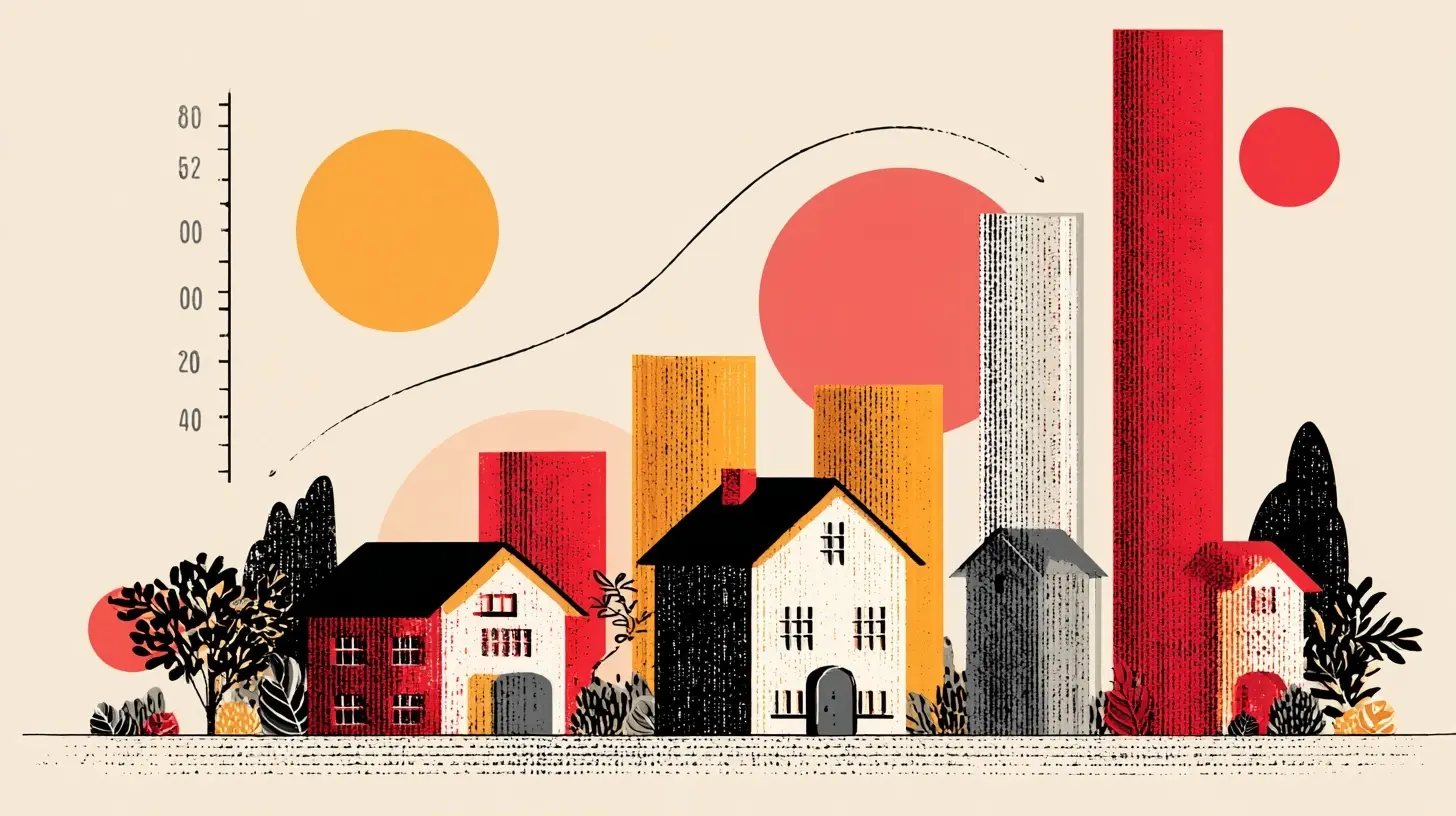
What "New Normal" Actually Means in Housing
A new normal is not just a price level. It is a change in the underlying mechanics of the market that persists even after the original trigger fades.Consider a few historical examples. The thirty-year fixed-rate mortgage became the standard American home loan after the Great Depression because federal policy made it so. That was a new normal. Suburban expansion after World War II was a new normal driven by highways, cheap land, and government lending programs. The shift toward two-income households in the 1970s and 1980s changed what families could afford and therefore what homes cost. Each of these changes outlasted the specific conditions that started them.
By contrast, the price spike during the pandemic-era housing boom was not a new normal. It was a collision of low rates, remote work, supply chain problems, and a sudden shift in what people wanted from a home. Some of those effects stuck. Others unwound.
So when we ask whether 2027 represents a new normal of rising prices, we are really asking whether the forces pushing prices up are structural or cyclical. Structural forces tend to last. Cyclical forces tend to reverse.
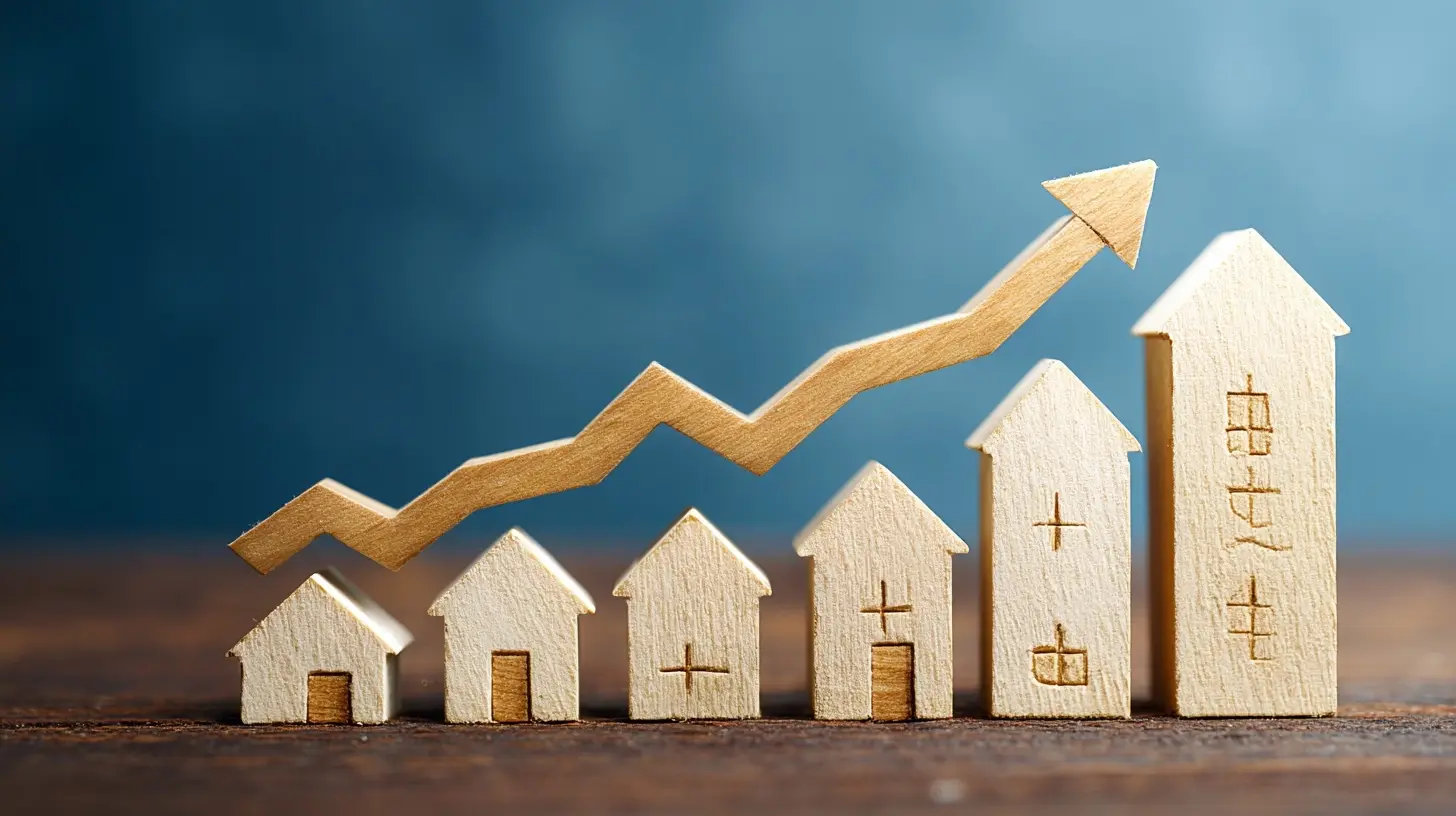
The Forces Pushing Prices Up
Supply Constraints That Are Not Going Away
The most durable force in housing is the gap between how many homes we need and how many we build. This gap has been widening for more than a decade in most developed economies, and it is not a problem that resolves quickly.Three things make housing supply unusually rigid:
First, construction is slow. A single-family home takes months to build. A multifamily development can take years from land acquisition to occupancy. You cannot turn on a tap and produce more housing the way you can produce more smartphones.
Second, land is fixed. In desirable metro areas, the supply of buildable land is essentially finite. Zoning rules, environmental reviews, community opposition, and infrastructure limits all constrain how much can be built even when demand is obvious.
Third, labor and materials are constrained. Skilled trades have been shrinking for decades in many markets. Building material costs are volatile. These are not quick fixes.
The practical result is that in most high-demand metros, the market cannot respond to price increases with a flood of new supply. Prices rise, and they stay risen.
Demographic Momentum
Two large demographic groups are moving through the housing market at the same time. Millennials, a huge cohort, are in their prime homebuying years. Many are still forming households, upgrading, or moving to suburbs. At the same time, older homeowners are aging in place longer than previous generations did, which keeps inventory off the market.This double pressure on demand and constrained supply is not a one-year phenomenon. It plays out over a decade or more.
Immigration also matters. In countries with strong immigration flows, population growth translates directly into housing demand. Even modest annual increases in household formation can absorb years of new construction.
The Rate Lock Effect
Here is a mechanism that is often underappreciated. When mortgage rates rise quickly, homeowners who locked in low rates have a strong financial incentive to stay put. Selling means giving up a cheap loan and taking on an expensive one. So they do not sell.This reduces inventory. Reduced inventory supports prices even when affordability is stretched. It is a strange equilibrium: high rates normally cool prices, but the lock-in effect partially offsets that cooling by starving the market of listings.
Whether this effect persists into 2027 depends on how far rates fall and how long homeowners hold out. If rates drop substantially, the lock-in effect weakens and more inventory appears. If rates stay elevated, the effect lingers.
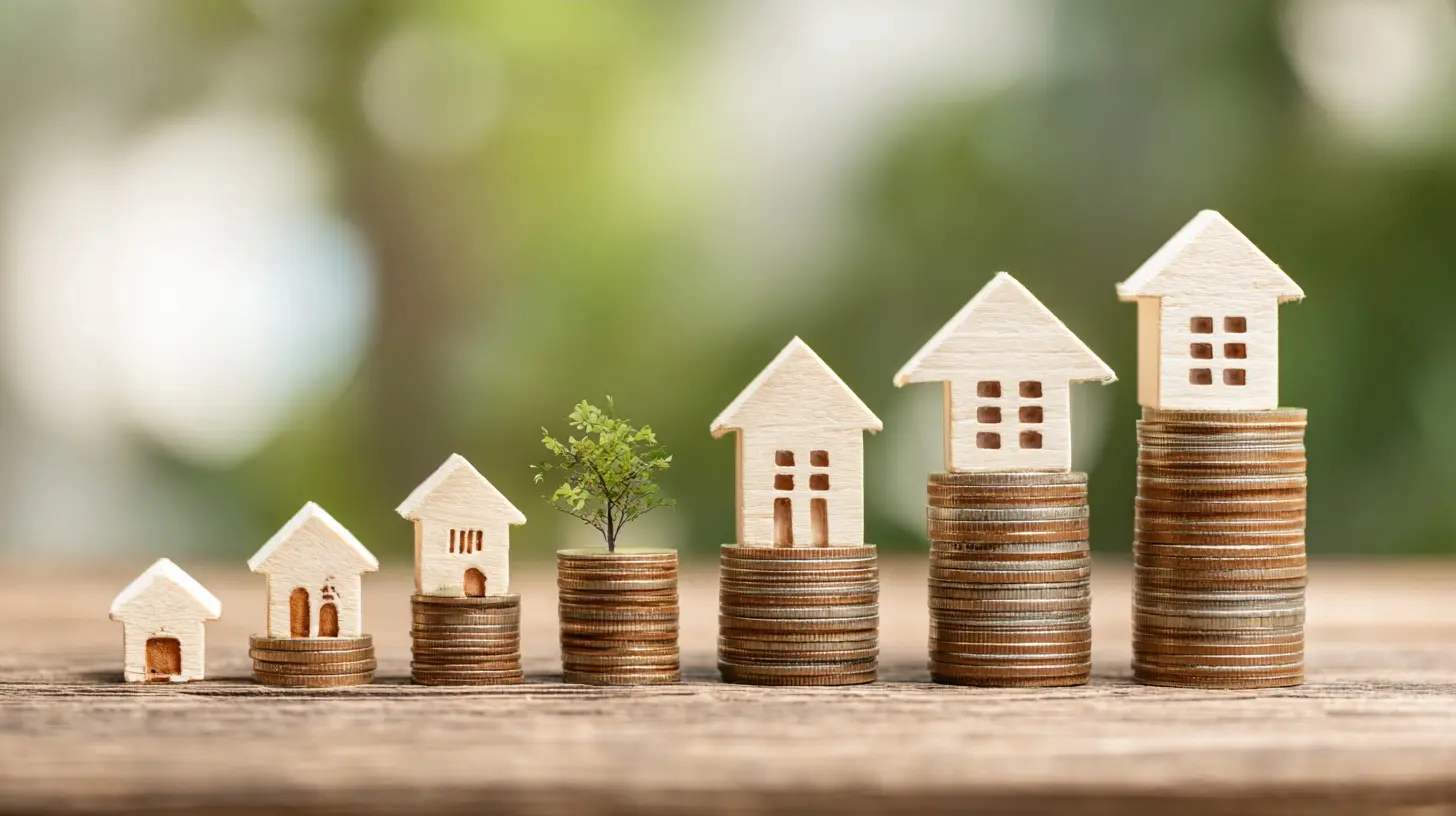
The Forces Pushing Prices Down or Holding Them Flat
Affordability Limits
There is a ceiling to what buyers can pay, and we are closer to it than many people realize in several markets. When mortgage payments consume an unusually large share of median income, buyers either stretch, delay, or drop out. Eventually, price growth stalls because there are simply not enough buyers who can qualify.This is not a theoretical concern. In several expensive coastal markets, price growth has already flattened or turned negative in real terms. The constraint is arithmetic, not sentiment.
Rate Sensitivity
Housing is one of the most rate-sensitive sectors of any economy. A one percentage point change in mortgage rates can shift the monthly payment on a typical loan by hundreds of dollars. That changes what buyers can afford and therefore what they are willing to bid.If rates fall meaningfully by 2027, that supports prices. If they rise or stay high, it weighs on them. This is the single biggest swing factor in any short-term forecast.
Policy and Tax Changes
Governments shape housing markets through tax treatment of mortgage interest, capital gains exclusions on primary residences, first-time buyer programs, rent control, zoning reform, and property taxes. Changes in any of these can shift prices up or down.For example, expanding first-time buyer credits tends to increase demand and therefore prices, which is a well-documented side effect that policymakers sometimes underestimate. Zoning reform that allows more density tends to increase supply over time and moderate prices, though the effect takes years.
Investor Behavior
Institutional investors became a visible presence in some markets after 2008. Their activity varies by market and by interest rate environment. When financing is cheap and rents are rising, they buy. When financing is expensive or rents soften, they pull back.Their impact on prices is real but often overstated. In most markets, owner-occupants still dominate. But in specific neighborhoods with high rental demand, investor activity can move prices noticeably.
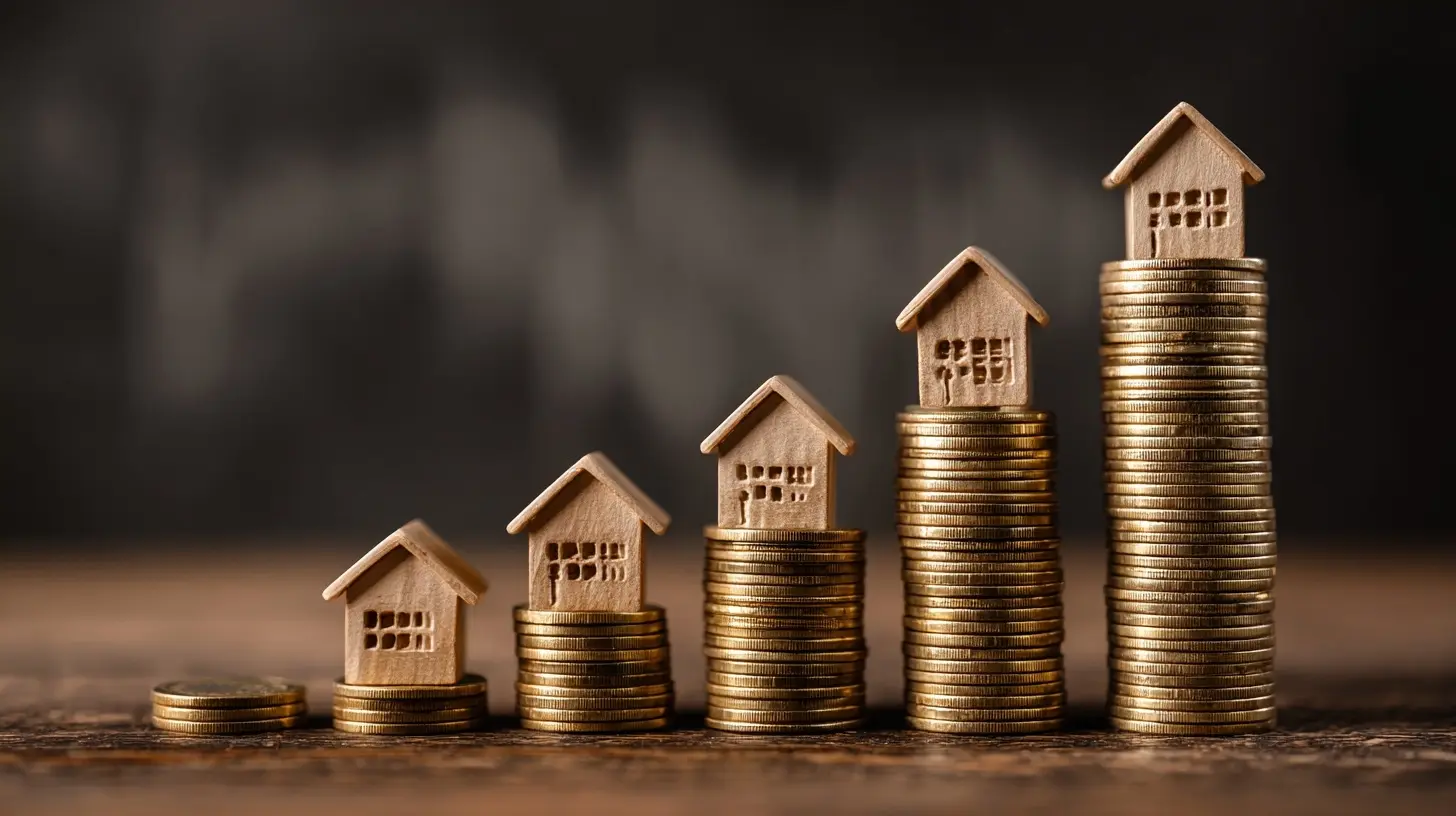
Why 2027 Is Not Just Another Year
Several factors converge around 2027 that make it a useful checkpoint.First, the rate lock effect will have had time to unwind or entrench. Homeowners who were waiting for rates to fall will have either sold or decided to stay permanently. The market will have adjusted to whatever the new rate environment is.
Second, a significant amount of construction that started earlier in the decade will have been completed. Whether that supply is enough to change the supply-demand balance depends on how much was built and where.
Third, demographic trends will be clearer. The peak of millennial household formation will be behind us. Whether Gen Z picks up the baton depends on incomes, preferences, and family formation patterns that are still developing.
Fourth, policy responses to affordability crises will have played out. Some will have worked. Some will have backfired. We will know more.
None of this means 2027 is a magic date. It is simply far enough out to let short-term noise fade and close enough to be relevant to decisions people are making now.
What Rising Prices Actually Mean for Different People
The phrase "rising home prices" means different things depending on who you are.For a homeowner, rising prices build equity. That is good if you plan to stay, borrow against your home, or sell and move somewhere cheaper. It is less good if you plan to upgrade, because the next home costs more too.
For a first-time buyer, rising prices are a moving target. The down payment you saved last year buys less house this year. This is the single most frustrating feature of a rising market, and it is why timing matters less than people think. Waiting for a dip that never comes is a common and costly mistake.
For an investor, rising prices compress yields. A property that cash-flowed at a 6 percent cap rate at a lower price may only cash-flow at 4 percent after appreciation. Rising prices are not automatically good for investors.
For a renter, rising prices are a mixed signal. They often indicate a strong local economy, which supports jobs and wages. But they also mean that buying later will be harder, and that landlords have less incentive to keep rents low.
Understanding which category you are in clarifies what you should actually care about.
Common Mistakes People Make When Prices Keep Rising
Assuming the Trend Is Permanent
Prices do not rise forever. They rise, plateau, correct, and rise again. Markets that experienced sustained appreciation often experienced sharp corrections later. Anyone who bought at the top of a cycle and needed to sell within a few years learned this the hard way.The lesson is not to avoid buying. It is to buy with a time horizon long enough to ride out a correction.
Waiting for the Perfect Moment
Buyers who wait for the perfect combination of low prices, low rates, and high inventory often wait forever. That combination does not exist. In practice, the best time to buy is when you are financially ready and plan to stay long enough to make the math work.Stretching to the Maximum Approval
Just because a lender approves you for a certain amount does not mean you should borrow that amount. Approval is based on debt-to-income ratios that do not account for maintenance, repairs, insurance increases, or the lifestyle costs of homeownership. Buyers who max out their approval often become house poor.Ignoring the Total Cost of Ownership
The purchase price is only one number. Property taxes, insurance, maintenance, HOA fees, and utilities all add up. In some markets, these costs have risen faster than prices. A home that looks affordable on paper can be a financial strain in practice.Treating Real Estate as a Short-Term Trade
Real estate is illiquid. Transaction costs are high. Selling within a few years often destroys the returns from appreciation. If you might need to move soon, renting is often the better financial decision even if prices are rising.How to Think About Buying in a Rising Market
Run the Numbers Both Ways
Compare the total cost of buying versus renting over your expected holding period. Include the opportunity cost of your down payment, transaction costs on both ends, maintenance, and tax implications. In some markets, renting and investing the difference beats buying. In others, buying wins clearly. The answer depends on your specific numbers, not on headlines.Focus on What You Can Control
You cannot control interest rates, inventory, or price trends. You can control your savings rate, your credit score, your location flexibility, and your willingness to compromise on features that are easy to change later.Buy for Use, Not Speculation
If you are buying a home to live in for at least five to seven years, short-term price movements matter less. If you are buying primarily because you expect prices to rise, you are speculating, and you should be honest with yourself about that.Keep Reserves
Unexpected repairs, job changes, and health events happen. Buyers with reserves handle them. Buyers without reserves end up selling at the worst possible time.
What Would Falsify the "New Normal" Thesis
Intellectual honesty requires asking what would prove the new normal thesis wrong.A sustained increase in housing supply that outpaces household formation would do it. So would a significant decline in population in a given market. So would a prolonged recession that pushes unemployment high enough to force sales. So would policy changes that dramatically reduce demand, such as eliminating mortgage interest deductions or tightening credit standards.
None of these are impossible. Some are unlikely in the near term. But anyone who claims prices can only go up is ignoring history.
A Realistic Framework for 2027
Here is a balanced view.In most high-demand metros, prices in 2027 will likely be higher than they are today in nominal terms. The structural forces of constrained supply, demographic demand, and the difficulty of building quickly all point in that direction.
In real terms, after inflation, the picture is less clear. If inflation runs above price growth, homeowners may see their purchasing power erode even as their home value rises on paper.
In some markets, especially those that saw the largest pandemic-era run-ups, prices may be flat or lower than peak. Markets that were driven by remote work migration may see partial reversals as employers tighten return-to-office policies.
The most likely scenario is not a uniform national trend but a widening divergence between markets. Some metros will continue to appreciate. Others will stagnate. A few will decline. The national median will tell you less and less about what is happening where you live.
Practical Takeaways
If you are a buyer, focus on your local market, your time horizon, and your budget. Do not try to time the market. Do not stretch. Do not buy if you might need to sell soon.If you are a seller, understand that rising prices do not guarantee a fast sale. Pricing matters. Condition matters. Overpricing in a market where buyers are stretched can leave your home sitting while others sell.
If you are an investor, run your numbers with conservative assumptions. Appreciation is a bonus, not a strategy. Cash flow and location fundamentals should carry the deal.
If you are simply trying to understand the market, pay attention to supply, rates, and local employment. Those three factors explain most of what happens to prices.
The Bottom Line
Are we in a new normal of rising home prices in 2027? Probably, in many markets, but not in all of them, and not at the pace of the last few years. The structural forces are real. So are the limits. The most useful thing you can do is stop looking for a national answer and start understanding your own market, your own finances, and your own timeline.
all images in this post were generated using AI tools
Category:
Rising Home PricesAuthor:

Travis Lozano